Water Heater Service Installation
Gas Water Heaters
Electric Water Heaters
Electric Water Heaters
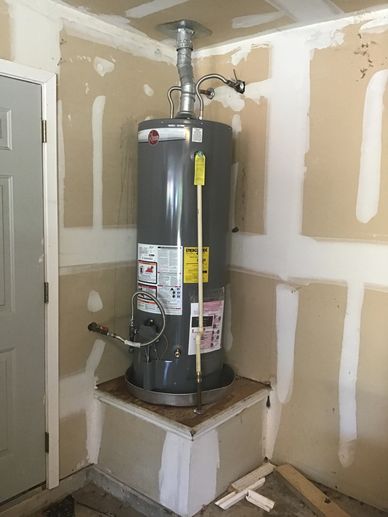
A gas water heater uses natural gas or propane to heat water in a storage tank or on demand, using a burner and vent to safely exhaust combustion gases. Most gas water heaters have a gas shutoff control or valve located near the base of the unit and a cold-water shutoff valve on the pipe at the top; homeowners should know where both are so they can quickly turn off gas and water in an emergency such as a leak, strange smells, or overheating.
Electric Water Heaters
Electric Water Heaters
Electric Water Heaters
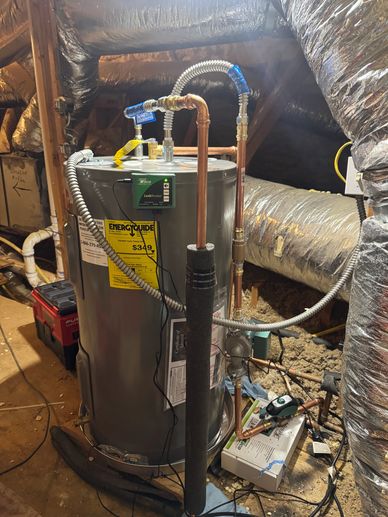
An electric water heater uses electricity instead of gas to heat water inside a storage tank or on demand through internal heating elements controlled by thermostats. These units are often very energy‑efficient at converting power to heat, have no combustion or flue gases, and can be a good option in homes without gas service, though they typically heat water more slowly and may cost more to run where electricity rates are higher.
Tankless Water Heaters
Electric Water Heaters
Tankless Water Heaters

A tankless water heater (on‑demand heater) has no storage tank and heats water only when a hot tap is turned on, using a gas burner or electric element as water flows through the unit. This design can provide continuous hot water, save space, and reduce energy use compared to traditional tank heaters, as it avoids keeping a large volume of water hot all day.
Because a tankless system doesn’t store a full tank of water, there’s no large reservoir that can burst or rust through, which significantly lowers the risk of major flooding from the unit itself. When combined with external safety options like drain pans, leak sensors, and automatic shutoff valves, a properly installed tankless water heater can virtually eliminate flooding risk from the water heater area.
Insta-Hot Systems
Auto Water Shutoff Valves
Tankless Water Heaters
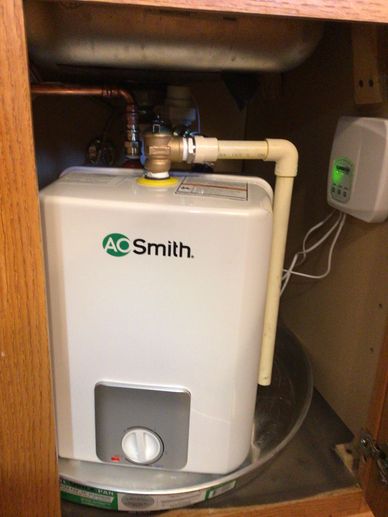
An “insta hot” system is a small point‑of‑use water heater installed under the kitchen sink that delivers near‑instant hot water from a dedicated faucet for cooking, drinks, and cleaning. It reduces wait time and water waste by heating a small amount of water right at the sink, giving you fast, convenient hot water without relying on the main water heater and long pipe runs.
Recirculating System
Auto Water Shutoff Valves
Auto Water Shutoff Valves
A hot water recirculating system uses a small pump and a loop of piping to keep hot water moving through the lines, so when you turn on a faucet you get near‑instant hot water instead of waiting for cold water to clear the pipes. This setup is especially helpful in larger homes or long pipe runs, reducing water waste and improving comfort, and can be controlled by timers or demand buttons to balance convenience with energy efficiency.
Auto Water Shutoff Valves
Auto Water Shutoff Valves
Auto Water Shutoff Valves
Automatic water shutoff systems, often sold under names like FloodStop, use small leak sensors and motorized valves to shut off the water supply when they detect standing water where it should not be. Sensors placed near a water heater, under a sink, or by appliances trigger the valve to close and often sound an alarm or send alerts, helping prevent major water damage from slow leaks, burst hoses, or failed tanks before the homeowner even sees a problem.
What water heater is best for me?
Comprehensive Water Heater Information
Welcome to The Service Genie, your trusted plumbing service provider in Mesquite, Texas. Our licensed and insured team specializes in a wide range of plumbing projects, ensuring each job is completed to the highest standards.
We like to educate our customers on big decisions before they are made. Different water heater setups fit different homes, budgets, and lifestyles. Below is an overview of options and information that may be ideal for your family and home. It does need to be noted all ideas will still need to be made sure it is possible by a licensed plumber.
Tank water heaters
Conventional tank water heaters store and heat a fixed amount of water (often 40–50 gallons) and are still the most common option in many homes. They’re usually cheaper to install and simpler to service, but they can run out of hot water and are more prone to leaks because they hold a full tank of water.
Pros
- Lower upfront cost and simpler installation in most homes.
- Familiar technology; easier to replace like‑for‑like.
- Works well for average families with predictable hot water use.
Cons
- Limited hot water; once the tank is empty, you wait for it to reheat.
- Higher energy use because the tank keeps reheating stored water.
- Larger footprint and higher risk of tank leaks and water damage.
Tankless water heaters
Tankless (on‑demand) water heaters heat water as it flows through the unit, instead of storing it in a tank. They can provide continuous hot water and often use less energy overall, but they cost more upfront and may need gas, venting, or electrical upgrades.
Pros
- Endless hot water when sized and installed correctly.
- Higher energy efficiency and lower utility use over time.
- Compact size saves space and reduces stored‑water leak risk.
Cons
- Higher initial equipment and installation cost.
- May require larger gas lines, new venting, or electrical upgrades.
- Often need regular maintenance (descaling) to stay reliable.
Water heater location considerations
Where the water heater is installed—garage, interior closet, attic, or outside—affects both risk and what type of unit makes sense. Units in attics or over finished spaces can cause major damage if they leak, while garage or first‑floor locations are usually safer and easier to service.
Better scenarios
- Garage or utility room: safer if a tank leaks, easier to vent gas units.
- Interior closet with drain pan and drain line: more protection from damage.
Less ideal scenarios
- Attic installs with no pan or drain: higher risk of hidden leaks and ceiling collapse.
- Tight or hard‑to‑reach spaces that limit service, replacement, or reroute options.
Add‑ons: leak shutoff systems & recirculation
Modern add‑ons can protect the home and improve comfort, especially around water heaters.
Automatic water shutoff / leak detection
- Pros: Sensors near the heater or in the pan detect leaks early and automatically close a valve to stop water flow, helping prevent major water damage and insurance claims.
- Cons: Higher upfront cost and requires power and periodic testing; not a substitute for regular maintenance or replacing an aging heater.
Recirculating pumps (built‑in or aftermarket)
- Pros: Move hot water through the lines so fixtures get hot water faster, reducing wait time and water waste; great for larger homes or long pipe runs.
- Cons: Adds installation and operating cost, can increase energy use if not controlled by timers or smart controls, and may not be practical on every plumbing layout.

Electric Water Heater Installed in Attic